
 Language |
  English
 Spanish
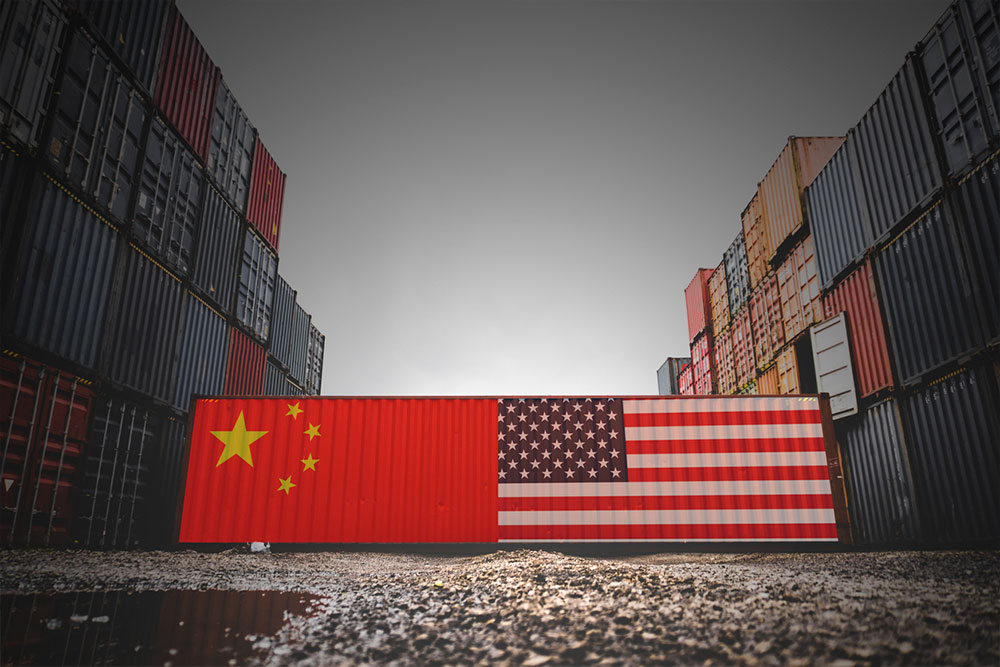
Global equity markets are heading into year-end in the green. The MSCI World Equity Index has gained 3.17% month-to-date; while the S&P 500 index gained 3.15%, reaching a new record high of 3240. Investor sentiment was boosted by hope that the U.S. and China are close to signing a phase one trade deal. Additional good news on trade includes the congressional approval of the U.S.-Mexico-Canada trade agreement and the diminished threat of new auto tariffs. Technology has been the best performing sector year-to-date, followed by communications and financials.
On December 13th, U.S. officials announced President Trump will suspend the 15% tariffs to be implemented on December 15th and reduce tariffs on $120 billion of Chinese goods imposed in September. On the other side, China suspended tariffs that were due to come into force on December 15, and will reduce import duties from January 1st on more than 850 goods. Furthermore, China will increase purchase of U.S. agricultural product, energy, and manufactured goods. The two parties are arranging the formal signing of the phase one deal early next year.
According to US representative Robert Lighthizer, China will buy $80 billion of American agricultural products over the next two years. This target imposes challenge as China may have to reduce its purchases from other countries like Argentina, Australia, Brazil and Germany. To avoid complaints from other trading partners, China will also cut import levies for more than 8000 products from 23 countries and regions that have free-trade agreements with China.
Despite this major progress, fundamental issues remain unresolved between the world’s largest two economies. While the phase one trade deal has primarily focused on trade balances and tariffs, the next phase will target the intellectual property issue and Chinese government subsidies.
Over in Europe, Brexit has finally made major progress after been delayed three times. On December 20th, members of the UK parliament voted in favor of their Prime Minister Boris Johnson’s new proposed bill. If the European Parliament also gives the green light, the UK will officially exit the European Union on January 31st, 2020. Starting then, the UK will enter a transition period until December 31st, 2020. During this time, the two parties will maintain their current trade relationship while negotiating new terms.
Looking forward to the year ahead, geopolitical events from trade wars to Brexit will likely continue to be key market movers. With the Presidential election coming up next year, President Trump has motivation to make progress on trade disputes with major economies in order to boost growth. Global growth could rebound on the condition that business sentiment improves. On the other hand, markets could react badly to any signs of increasing popularity of U.S. Democratic Party leaders, many of whom support higher corporate taxes and increased business regulation.

The information contained in this article is for information purposes only, and represent the views of the author. It is not intended as specific investment or financial advice, or a recommendation or solicitation to buy or sell any security. Any investments or strategies listed in this article may not be suitable for all investors. Past performance is not indicative of future performance, and as with any investment, prices may fluctuate. It is recommended that advice is sought from a qualified investment professional prior to implementing any financial plan. LOM has made every effort to ensure that the contents herein have been compiled from sources believed reliable, however LOM does not warrant the accuracy, adequacy, timeliness, or completeness of this information expressly disclaims liability for errors or omissions in this information.
